
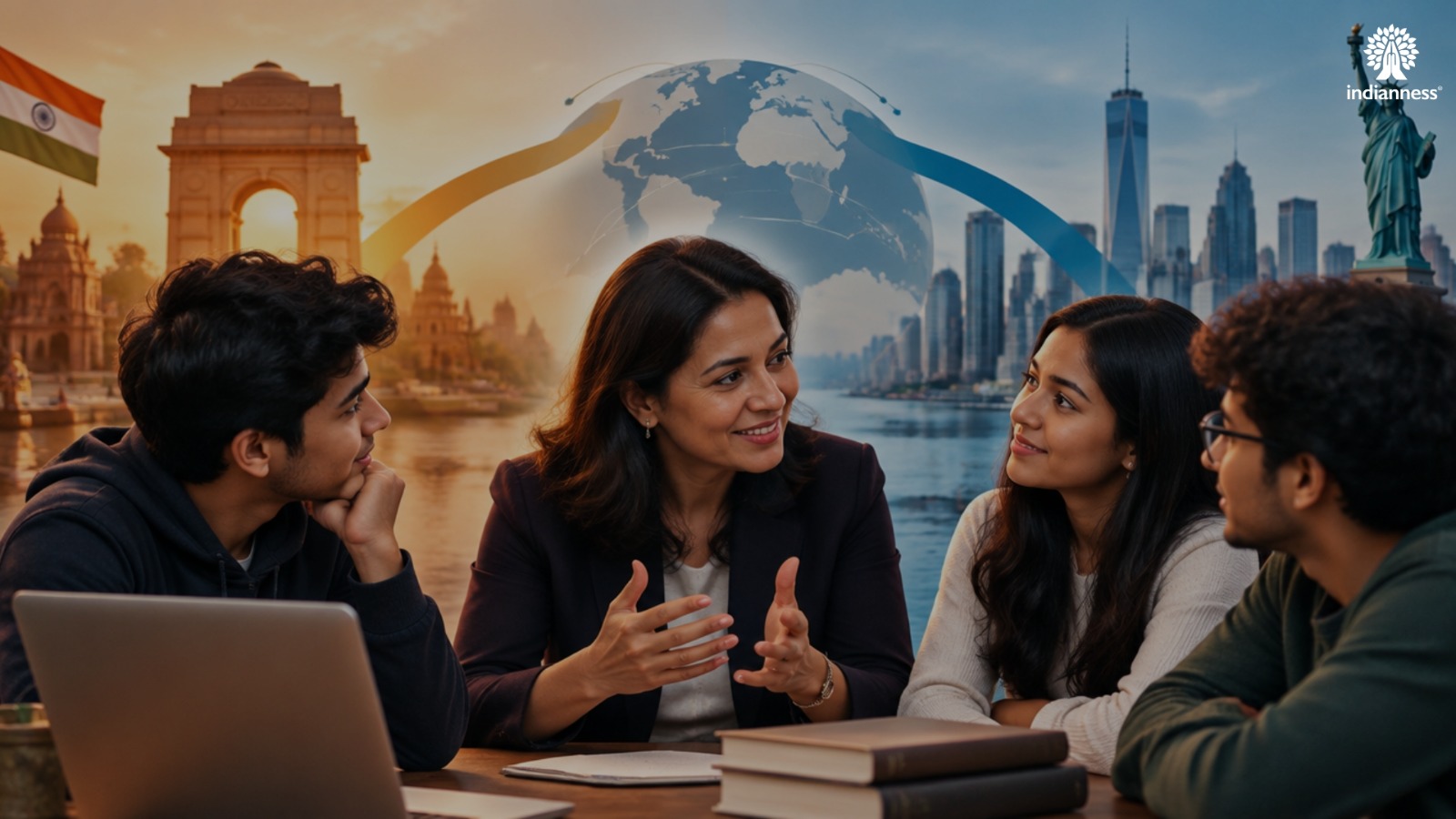
Bicultural upbringing involves unique strengths and constant challenges. One must always balance between the family culture and adaptation to working spaces. The Indian diaspora’s effective mentorship is a critical bridge to connect cultural aspects with successful professional careers. The first-generation immigrants typically require stable jobs in medicine, engineering, and finance. However, today’s young people tend to engage in creative, entrepreneurial, and civic careers. Mentorship for Indian Americans allows young people to follow their goals without offending families.
The first generation concentrated on creating secure lives in new countries. The modern generation is ready to move on and achieve higher goals. This even includes reaching the level of executives and representation of civil interests. Development of diaspora leaders creates examples for youth who desire more than the management levels. Cultural gaps bring silent tension into the houses of the modern diaspora.
The Complexities of Straddling Two Cultures
Being in two worlds implies living two lives. In the domestic setting, collectivism, humility, and respect for one’s family are crucial. But in the work environment, managers want those who can confidently express themselves.
The Need to Blend In
Imposter syndrome is a frequent problem faced by young individuals. People working in the Western-dominated business environment specifically suffer more. To blend in, many of them neglect their ethnic background. A good mentorship program for the Indian diaspora helps youth learn to use their culture as an asset at work.
Living Up to Parents’ Strict Expectations
Parents coming from other countries always think of their financial stability. Consequently, their children are under extreme pressure to pick only secure professions. Special mentoring for the Indian American population helps young people to explain their non-traditional career choices politely.
Core Challenges Faced by the Next Generation
The second and third generations face a number of challenges. And often these challenges are not considered by generic corporate programs.
- Breaking the Bamboo and Cane Ceilings:
Most people prove technically capable but lack promotion to executive positions. - Overcoming Immigrant Guilt:
Adult children have feelings of owing a debt to their parents for their sacrifices. - Finding Creative Freedom: Careers in the creative field bring about doubt among relatives.
- Mastering Corporate Diplomacy: In Western societies, directness is preferred to courtesy and diplomacy.
A mentoring program targeting young Indians tackles these precise issues.
Why Dual-Perspective Mentors Are Indispensable
Corporate mentors might be quite good at offering valuable technical and strategic advice. However, they lack understanding of the invisible rules that influence diaspora family relationships. Culturally oriented mentoring combines respect for the filial bond with the corporate environment.
Recognizing the Validity of Personal Experiences
The young generation finds it difficult to discuss their family commitments in front of the company executives. The mentors who belong to the same culture understand the terms. Diaspora leaders give hope to younger generations that culture will never become an obstacle on their way to success.
Interpreting Corporate Cultural Codes
Upbringing in India makes young people feel that being vocal is being arrogant. In the office environment, not talking can mean that you have no chance for career growth. Experienced Indian-origin professionals explain how to voice opinions without arrogance.
The Strategic Role of Mentorship Across Career Stages
Mentoring needs to develop as a person moves through various career levels. Mentors guide throughout the academic, beginning, and leadership stages of one’s career.
Early Career and Higher Education
College graduates tend to find it difficult to balance family demands and personal interests. Mentoring Indians in America makes college students pursue unconventional degrees.
Career Development
Middle-level managers face invisible glass ceilings owing to weak communication skills. The mentoring program for Indian youth is beneficial for mid-career employees negotiating salaries.
Leadership Development and Representation
Minorities must be represented at the highest levels of multinational companies. This ensures that qualified candidates enter corporate boardrooms and civic organizations.
How Mentorship Strengthens the Entire Community
Career development will certainly uplift the whole immigrant community as time passes. Successful people ably develop networks that help the younger generation and students alike. The successful Indian professionals have the capability to develop sustained pipelines. These pipelines help in developing social and economic clout. When the older generations invest in the youth, the cultural tradition lives on for long.
How to Build Meaningful Mentorship Relationships
A mentor can only be discovered with pure intention, initiative, and commitment. Both mentors and proteges will form new perspectives.
- Attending networking events
- Discover your professional challenges
- Keep the communication channels open
- Do good to others
Initiative helps young leaders meet successful Indian-origin professionals.
Be a Member of the Community
Our collective future is determined by how we interact with one another. If you are a veteran leader, help others through telling your story to new entrants in the business world. Find mentors who will guide you within your environment with us. Become Part of the Community.
FAQs
Why is mentorship necessary for the coming generations of the Indian diaspora?
Mentorship helps them cope with dual cultures, family obligations, and corporate culture abroad.
How could Indian diaspora mentors assist young professionals?
Indian diaspora mentors can educate them about workplace diplomacy. They can help in developing their executive presence and validate their struggles.
Where could one find Indian-origin mentors for students and professionals?
Indian-origin mentors could be found in the cultural alumni associations and diaspora professional associations. Moreover, they are also available in LinkedIn industry groups.
Which difficulties could diaspora mentorship address?
Diaspora mentorship mostly address the following issues:
- Immigrant guilt
- Parental career expectations
- Imposter syndrome
- Hurdles in executive advancement are among them.
Why do second-generation Indians require culturally competent mentors?
Second-generation Indians require culturally competent mentors because they have experienced the same. They address the balance between the collectivist family culture and individual ambition at work.
How could Indian-origin leaders serve as mentors for the coming generations?
Indian-origin leaders can volunteer on non-profit mentorship sites. They can organize panel discussions at universities and offer informal advice via LinkedIn.