
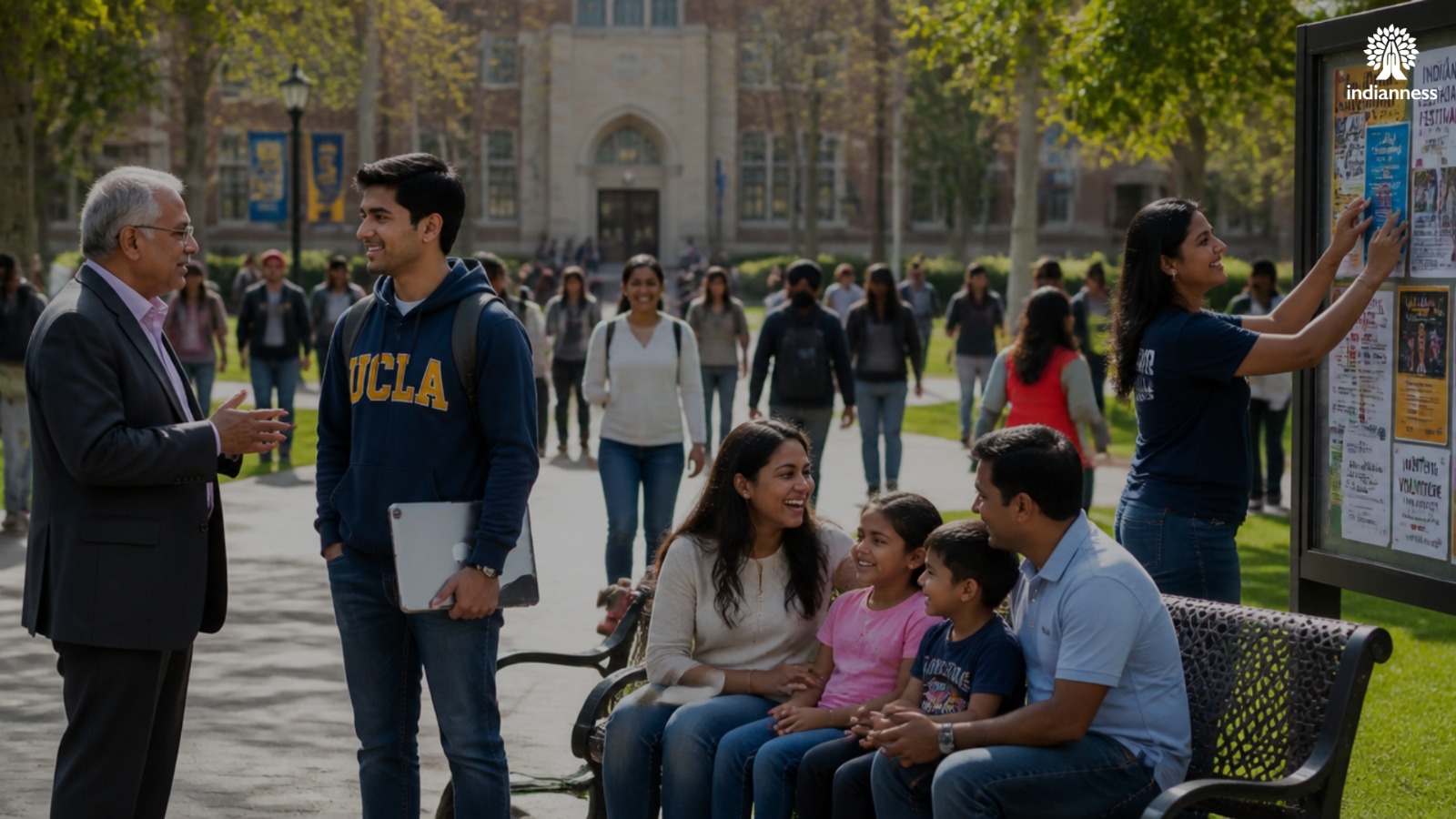
The relocation of family to another nation alters the way they view their culture and identity. The Indian identity across generations experiences significant change as they create an identity of their own within a new environment. The immigrant families remain loyal to their childhood memories and traditions. On the other hand, their children and grandchildren learn to function in several cultures at once.
Gradually, their daily life, social behavior, and outlook on life start changing. They discover new ways to embrace their culture while adjusting to the new culture. Such constant changes help preserve the Indian heritage abroad without losing its originality. All such changes result in creating different outlooks among generations. Each generation of Indian identity finds its own answer to the issue of identity.
First-Generation Indians: Holding on to Home
First-generation immigrants carry the vivid sounds, languages, and rituals of their homeland. They often build close-knit community networks to preserve familiar cultural environments. These pioneers establish temples, cultural associations, and regional language groups. In doing so, they protect Indian heritage abroad for their growing families.
Being away from one’s home country makes the usual customs all the more important. The immigrant parents use their language at home and prepare their traditional food daily. They celebrate the festivals such as Diwali and Eid with great devotion and enthusiasm. Their cultural background plays a very vital role in ensuring that the family maintains strong connections with India. The parents ensure that there are visits to extended family, diaspora generations, and the native place.
Second-Generation Indians: Balancing Two Cultures
Children born abroad experience two distinct worlds every single day. At home, they experience Indian food, family values, and traditional customs. Outside, they navigate local schools, peer groups, and Western cultural norms. This constant balance shapes Indian identity across generations in fascinating new ways.
A childhood between two cultural backgrounds can make one develop certain inner dilemmas of identity. Teenagers may have a feeling that they are too Indian to be among locals but too westernized to be among their families in India. These diaspora generations build confident bridge identities. They blend Western tastes with Indian cinema, fashion, and celebratory traditions. Instead of choosing one world, they proudly embrace the best aspects of both.
How Identity Evolves in Later Generations
People from the third and fourth generations have a totally different experience concerning their roots. They mostly speak English or the language of the country where they were born. Consequently, understanding Indian identity across generations requires looking beyond standard linguistic fluency. Traditions and family expectations also shift toward greater personal choice. Younger family members choose cultural practices that align with their personal values. They celebrate major festivals while redefining conventional social and career expectations.
Despite these changes, later generations maintain strong pride in their roots. They explore Indian philosophy, classical arts, yoga, and historical literature. These meaningful engagements keep Indian heritage abroad vibrant and relevant across decades. In addition, digital connections enable the young descendants to connect effortlessly around the world. They interact with popular Indian culture of today, food, and social issues. Such an inquisitive nature makes sure that Indian identity among generations stays inquisitive and futuristic.
What Keeps Indian Heritage Alive Abroad?
Cultural heritage thrives overseas through intentional family habits and strong community foundations. Parents and grandparents share bedtime folklore, historical accounts, and personal family memories. These shared narratives pass valuable life lessons down to younger family members. This continuous storytelling sustains Indian heritage abroad across changing times. The cultural group within the locality and regional societies act as very important places for family members. They plan dances, music sessions, and language learning for children. These busy places enable the members of the diaspora generations to develop strong bonds and take pride in their cultures.
Moreover, food and festive occasions play an important role in developing culture for the families. Making curries and eating sweets during the festivals brings back many good memories and discussions. Additionally, visits to India by family members enable the children to see crowded markets, monuments, and houses of the past. These multisensory experiences keep Indian heritage abroad authentic, relatable, and deeply cherished.
A More Personal Meaning of Being Indian
Modern identity is fluid, individualized, and self-defined. Younger individuals no longer measure their cultural belonging against rigid, traditional checklists. Instead, they choose how they express their roots in daily life. This personal freedom creates a more inclusive understanding of Indian identity across generations.
A person might express heritage through fusion cooking, ethical fashion, or social advocacy. Another might find connection through classical music, mindfulness practices, or historical research. There is no single formula for living as an Indian abroad. This creative evolution reflects cultural confidence rather than cultural loss. Young individuals celebrate their ancestral roots while honoring their diverse global upbringing. They redefine Indianness as a flexible, living tradition that welcomes individual expression.
The Generational Evolution of Indian Identity Abroad
A person’s cultural identity is an ongoing experience rather than an ancient artifact. First-generation immigrants provide a strong foundation for the culture in their new homeland. Future generations expand upon this cultural foundation in response to the challenges of a globalized world. Time causes changes in customs and cultural expressions. The principles of family cohesion, hospitality, and pride stay unchanged through all of this time. An analysis of Indian identity across generations proves this point.
FAQs
1. Can someone feel strongly Indian without speaking an Indian language?
Yes. It includes the values, food, art, and great personal pride. Language skills are just one of many options for connecting to cultural heritage.
2. Why do some younger diaspora members reconnect with their heritage later in life?
Quite often, when people grow up, mature and become interested in learning themselves, they start discovering their own cultural heritage. Often having kids or going to India awakens such interest.
3. How does marriage across cultures affect Indian identity abroad?
Intercultural marriages bring in very interesting traditions in the contemporary family. They have combined cuisines, languages, and celebrations to form hybrids of the cultural backgrounds for the kids.
4. Can Indian identity become stronger after growing up outside India?
Yes. Being in the multi-cultural environment stimulates individuals to learn about their distinct heritage. Quite often, people start exploring Indian history, literature, and arts with great interest.
5. What role do grandparents play in preserving Indian heritage overseas?
Grandparents help children to learn about their family history through the stories, cook the traditional dishes, and share the values. Their warm presence forms an emotional link to their culture.